Your Guide to Doncaster Racecards: Unlocking Upcoming Events & Race Conditions
For enthusiasts of horse racing, whether you're a seasoned punter or a first-time racegoer, the Doncaster Racecourse holds a special place. Known for its rich history, prestigious races like the St. Leger, and vibrant atmosphere, it offers an exhilarating experience. To truly immerse yourself and make informed decisions, understanding the doncaster racecard is paramount. Far more than just a list of runners, it's your comprehensive guide, packed with vital information that can elevate your race day from a casual outing to a strategic pursuit.
A typical doncaster racecard provides a snapshot of each race, detailing everything from horse names, jockeys, trainers, and weights to current odds, form, and track conditions. Mastering how to read and interpret this wealth of data is key to predicting outcomes, understanding potential upsets, and ultimately, enhancing your enjoyment of the sport. In this guide, we'll delve into the intricacies of Doncaster racecards, offering insights into upcoming events, understanding race conditions, and providing actionable tips to help you navigate the thrilling world of horse racing at Doncaster.
Understanding the Doncaster Racecard: Your Essential Pre-Race Companion
The doncaster racecard is a meticulously compiled document designed to give you all the information you need about an upcoming race meeting. Each race listed on the card is a puzzle, and the details provided are your clues. Let's break down the key components you'll find:
- Race Time and Distance: Clearly indicates when each race is scheduled and its length. For example, a race might be listed as 13:25 - Doncaster Distance: 3m 84y. This specific distance (3 miles and 84 yards) instantly tells you it's a National Hunt (jump) race, requiring stamina and jumping prowess, as opposed to a shorter, speed-focused Flat race.
- Horse Name: The unique identifier for each equine athlete.
- Jockey (J): The rider. Their experience, current form, and partnership with the horse or trainer can be crucial.
- Trainer (T): The individual responsible for preparing the horse. A trainer's reputation and recent success rate are often significant indicators.
- Weight: The total weight the horse must carry, including jockey and equipment. Weight can be a handicap and a crucial factor in close finishes.
- Odds: Represents the betting market's prediction of a horse's chance of winning. Odds like 8/1 (Park Princess) or 10/3 (Dream Shadow) indicate the potential payout relative to your stake. Shorter odds (e.g., 10/3) suggest a stronger favourite, while longer odds (e.g., 11/1 for Limerick Lass) indicate an underdog with potentially higher returns.
- Form Figures: A sequence of numbers indicating a horse's recent performance (e.g., 1-2-F-3-0). These tell you how a horse finished in its previous races, with '1' being a win, '2' a second place, and 'F' indicating a fall.
- Going (Track Condition): Crucial information like "Soft" conditions can heavily influence a horse's performance. Some horses thrive on softer ground, while others prefer firm.
- Non-Runners (NR): Horses that were declared but will not participate. This can significantly change a race's dynamics and odds. In our example race, Easy Love, Livingonaprayer, and Barra Rua were all Non-Runners, reducing the field and potentially altering the perceived strength of the remaining contenders.
Understanding these elements allows you to build a comprehensive picture of each horse's chances. For instance, seeing a horse like Dream Shadow (10/3) with a top jockey like Kielan Woods and a reputable trainer like F O'Brien immediately flags it as a strong contender in the 13:25 race, even if those odds are now historical.
Navigating Upcoming Events at Doncaster: Beyond Today's Races
While an immediate doncaster racecard gives you today's insights, the full racing calendar at Doncaster extends far into the future, offering a diverse array of events throughout the year. Planning ahead allows you to secure tickets, arrange travel, and even anticipate which horses might be targeting specific races.
Doncaster hosts both Flat racing (typically from March to November) and National Hunt (jump) racing (primarily through the autumn and winter months). The example 3m 84y race clearly points to National Hunt action, characterized by hurdles or fences, demanding different attributes from horses and jockeys.
Looking at the provided future dates, we see a snapshot of Doncaster's varied schedule:
- FRIDAY 27 FEBRUARY 2026: Features 7 Races, scheduled from 13:25 to 16:50, with track conditions noted as Soft. A full card like this promises a day packed with racing action, and the "Soft" going could favour stayers or horses known to handle testing conditions.
- FRIDAY 27 MARCH 2026: Lists a single race at 14:40. This could be a feature race, a specific trial, or part of a smaller, targeted meeting.
- WEDNESDAY 9 SEPTEMBER 2026: Also shows a single race at 13:50. Such events often carry significant prize money or are crucial stepping stones for horses aiming for bigger targets later in the season.
These future dates highlight the dynamic nature of the racing calendar. While specific runners aren't known years in advance, these listings allow you to mark your calendar and begin to anticipate the type of racing on offer. For a more detailed look at upcoming fixtures and planning your visit, you might find our dedicated guide on Doncaster Racecard 2026: Plan Your Race Day & Key Details particularly useful.
Track conditions, or "the going," like the "Soft" ground noted for February 2026, are critical. Heavy rain before a race meeting can quickly change the going, dramatically affecting a horse's chances. Always check the latest weather forecasts and official going reports on the day of racing.
Deep Dive into a Sample Race: The 13:25 at Doncaster (Expired Odds Insight)
Let's take a closer look at the 13:25 race, distance 3m 84y, as a prime example of how to dissect a doncaster racecard. While the odds provided are "Expired," they still offer valuable insight into how the market perceived these horses at the time, and how you would approach such a race in real-time.
The original line-up included a strong field, but the significant number of non-runners (NRs) for Easy Love, Livingonaprayer, and Barra Rua would have immediately altered the race's complexion and the live betting market. Non-runners typically mean that stakes on them are returned, and the remaining horses' odds might shorten as the field is reduced.
- Park Princess (J: Sam Twiston-Davies | T: A J Honeyball | 8/1): An 8/1 shot suggests the market viewed this horse as having an outside chance, but not without hope. Sam Twiston-Davies is a highly respected National Hunt jockey, and any horse he rides, especially for a consistent yard like A J Honeyball, deserves attention. At 8/1, this would represent decent each-way value if its form figures suggested potential.
- Dream Shadow (J: Kielan Woods | T: F O'Brien | 10/3): This horse, with its 10/3 odds, was clearly one of the favourites. Kielan Woods is an accomplished jockey, and F O'Brien's stable consistently produces winners. This combination would suggest a horse in good form, potentially well-suited to the distance and conditions, and a strong contender for the win.
- Limerick Lass (J: Ben Godfrey | T: A J Honeyball | 11/1): Another entry from the A J Honeyball yard, Limerick Lass at 11/1 was seen as more of an outsider than Park Princess. However, having two runners from the same stable can sometimes indicate strong stable form, or that one is a pacemaker for the other, although this is less common in everyday races. Ben Godfrey is a competent jockey, and at 11/1, this could have been a solid each-way bet for a place.
- Coolanna (J: Thomas Bellamy | T: K C Bailey | 7/2): With odds of 7/2, Coolanna was another strong market rival to Dream Shadow. Thomas Bellamy is a reliable jockey, and K C Bailey's yard is known for preparing horses well. This would be a horse to seriously consider for the win, perhaps in a forecast or reverse forecast bet with Dream Shadow.
- Broomfield Aderra (J: Tristan Durrell | T: Dan Skelton | 13/2): Any horse from Dan Skelton's prolific yard commands respect. At 13/2, Broomfield Aderra offered appealing odds for a trainer with such a high strike rate. Tristan Durrell, as a promising jockey, would be keen to deliver. This horse could have been a dark horse or a good value bet.
Analyzing this specific race highlights how crucial it is to consider the interplay of jockey, trainer, horse form, and prevailing odds. Even with expired information, we can learn a lot about race dynamics. For more detailed insights into individual runners and their performances in such specific events, explore our dedicated article: Doncaster 13:25 Race: Key Runners, Jockeys & Expired Odds Insight.
Practical Tips for Maximizing Your Doncaster Racecard Experience
Armed with a deeper understanding of the doncaster racecard, here are some practical tips to enhance your race day, whether you're at the course or following from home:
- Always Get the Latest Version: Racecards are subject to last-minute changes (non-runners, jockey changes). Always grab the most up-to-date card on the day, or check reliable online sources just before the race.
- Check the "Going": The track condition (soft, heavy, good, firm) is paramount. Some horses excel on particular surfaces; understanding this can significantly narrow down your choices. Look for horses described as "mudlarks" for soft ground, or "fast ground specialists" for firmer conditions.
- Follow Jockey & Trainer Form: Beyond individual horse form, observe which jockeys and trainers are having a successful run. A jockey who's ridden multiple winners recently, or a trainer with a high strike rate, often signifies well-prepared horses and confident rides.
- Look for Stable Form: A trainer with multiple winners over the last week or two is said to be "in form." Horses from such stables often punch above their weight.
- Consider Weight Carried: While handicaps aim to level the playing field, a horse carrying significantly less weight than its rivals, especially over longer distances, can sometimes have an advantage.
- Don't Overlook "Dark Horses": Horses making their debut, or those returning after a long break, might have little form to go on but could be highly regarded by their connections. Keep an eye out for market movers (odds shortening rapidly) as these can indicate insider confidence.
- Set a Budget and Stick to It: Responsible gambling is key. Decide how much you're willing to spend on betting before you start and never chase losses.
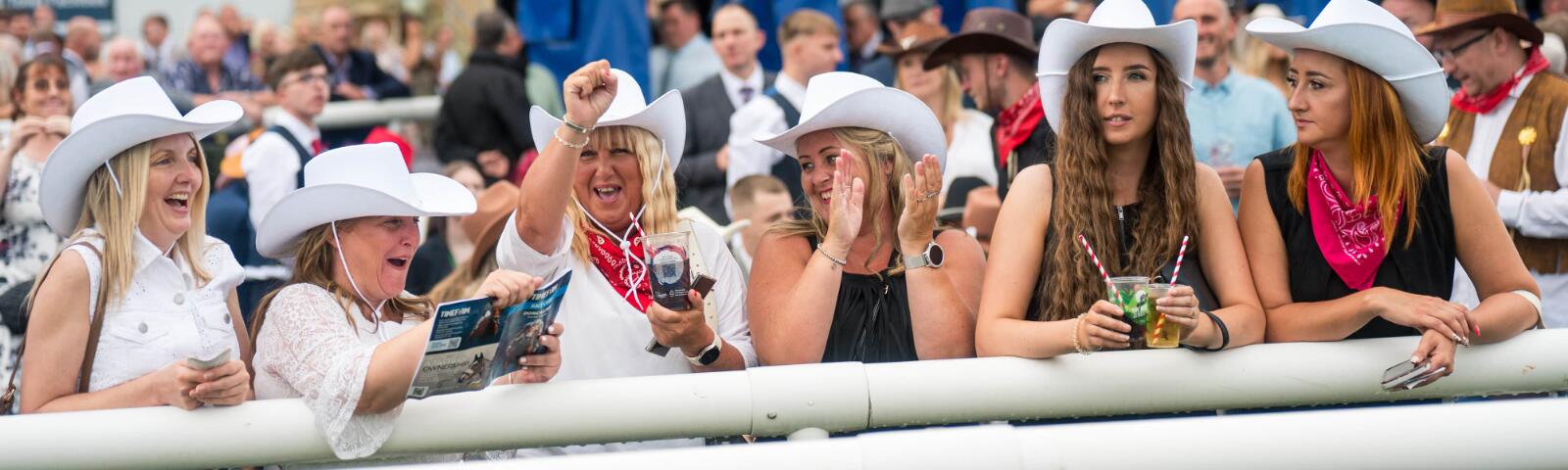
- Enjoy the Atmosphere: Even if your selections don't win, the experience of a day at Doncaster Racecourse is fantastic. Soak in the excitement, the fashion, and the thundering hooves.
Conclusion
The doncaster racecard is an indispensable tool for anyone engaging with horse racing at this iconic venue. From deciphering vital statistics like distance and going to understanding the nuanced relationships between jockeys, trainers, and horses, it provides the foundation for informed enjoyment. By taking the time to truly understand its contents, you not only improve your chances of picking a winner but also gain a deeper appreciation for the skill, athleticism, and rich history that define the sport of kings. So, next time you plan a visit to Doncaster Racecourse, armed with your racecard, you'll be well-equipped to experience the thrills and strategic depth of one of Britain's most cherished racing traditions.